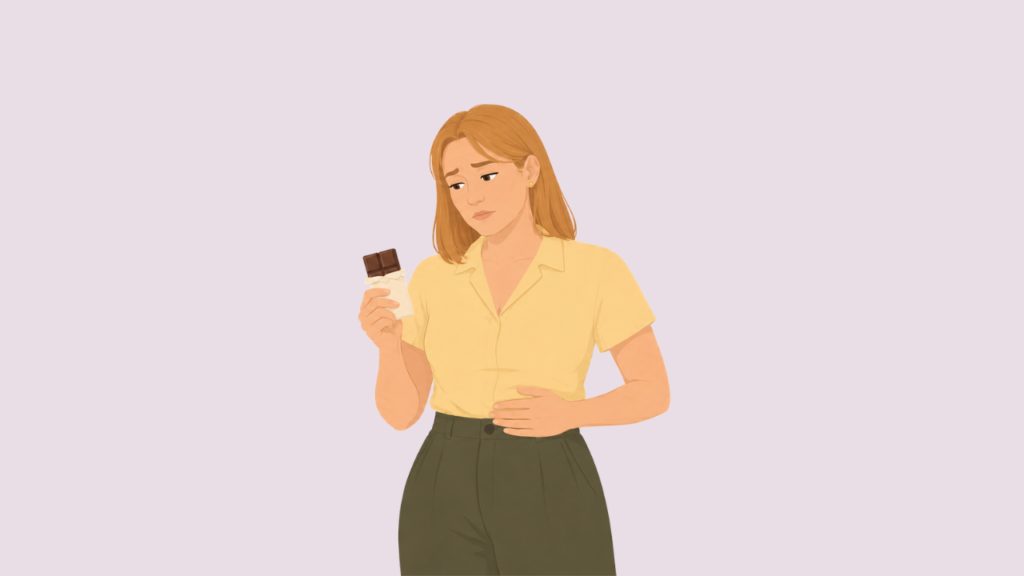
PMS and Fertility: How to Understand What Your Symptoms May Be Saying
PMS can feel like something you’re supposed to laugh off, push through, or blame on being “hormonal.”
One week you feel like yourself.
The next week, you’re crying over something small, craving everything in the pantry, snapping at your partner, feeling bloated, and wondering why your body suddenly feels so different.
And when you’re trying to conceive, those symptoms can feel even louder.
You may start wondering:
Is this normal?
Does PMS mean something is off with my hormones?
Could this be affecting my fertility?
Is my body trying to tell me something?
If you’ve been searching for answers about PMS and fertility, we want you to know this first:
PMS doesn’t mean your body is broken.
But it’s giving you information.
At AIM Women’s Wellness Center, we don’t look at PMS as something to dismiss. We look at it as part of the larger cycle conversation. Your mood, cravings, breast tenderness, bloating, sleep, energy, spotting, cramps, and cycle timing can all offer clues about what your body may need more support with before pregnancy.
What Is PMS?
PMS stands for premenstrual syndrome. It refers to symptoms that tend to show up after ovulation and before your period begins.
For some women, PMS feels mild and manageable.
For others, it can feel like their whole body and mood change in the second half of the cycle.
PMS may include:
- Mood swings
- Irritability
- Anxiety
- Sadness or tearfulness
- Food cravings
- Sugar cravings
- Bloating
- Breast tenderness
- Headaches
- Fatigue
- Sleep changes
- Acne
- Cramping
- Digestive changes
- Feeling more sensitive or overwhelmed
PMS symptoms often follow a pattern. They tend to show up in the luteal phase, which is the time between ovulation and your period, and then ease once your period starts.
That timing matters.
Because when symptoms show up in a clear cycle pattern, your body may be showing you how it’s responding after ovulation.
Does PMS Affect Fertility?
PMS itself does not automatically mean you can’t get pregnant.
Many women with PMS ovulate, conceive, and have healthy pregnancies.
But PMS may point to underlying patterns that matter for fertility, especially if your symptoms are intense, worsening, or paired with cycle changes like spotting, short luteal phases, painful periods, heavy bleeding, irregular cycles, or difficulty confirming ovulation.
The question isn’t: “Does PMS cause infertility?”
The better question is: “What is my PMS telling me about my hormones, ovulation, inflammation, blood sugar, stress, and overall fertility environment?”
Because fertility isn’t only about whether you get a period.
It’s about whether your body has the support it needs to ovulate well, build a healthy lining, make enough progesterone, calm inflammation, regulate blood sugar, and prepare for the possibility of pregnancy.
Your cycle is giving you information every month.
PMS is a clue worth paying attention to.
PMS and Progesterone After Ovulation
One of the most important parts of the cycle to understand is what happens after ovulation.
After you ovulate, your body should begin producing progesterone. Progesterone helps support the second half of the cycle, stabilize the uterine lining, and prepare the body for a possible pregnancy.
When progesterone is not well supported, or when estrogen and progesterone are not working together in a healthy rhythm, you may notice more symptoms before your period.
This can look like:
- Spotting before your period
- A short luteal phase
- Breast tenderness
- Mood changes
- Anxiety
- Sleep disruption
- Cravings
- Feeling wired but tired
- Cramps before bleeding starts
This doesn’t mean you should diagnose yourself based on symptoms alone.
But it does mean your symptoms may deserve a closer look.
If you notice spotting before your period, a short luteal phase, or symptoms that make you wonder if the second half of your cycle needs support, learning more about low progesterone symptoms and fertility may be a helpful next step.
PMS, Cravings, and Blood Sugar
Cravings before your period are common, but they’re not random.
If you feel like you need sugar, carbs, caffeine, or snacks constantly before your period, your body may be asking for more support with blood sugar, stress, sleep, or nourishment.
Blood sugar balance can influence energy, mood, cravings, inflammation, hormone signaling, and ovulation patterns.
When blood sugar is on a roller coaster, the luteal phase can feel harder.
You may feel fine earlier in your cycle, then suddenly feel more anxious, irritable, tired, hungry, or emotionally sensitive before your period.
Again, this doesn’t mean you’re doing something wrong.
It may mean your body needs more steady support.
That could include more protein, balanced meals, enough calories, better sleep, stress support, and a closer look at insulin resistance if symptoms point in that direction.
If cravings, energy crashes, irregular cycles, PCOS, or blood sugar symptoms are part of your story, understanding insulin resistance and fertility may help you see another piece of the bigger picture.
PMS, Inflammation, and Pain
PMS can also show up with physical symptoms like bloating, headaches, acne, breast tenderness, cramps, digestive changes, and body aches.
When these symptoms feel intense, we want to look at inflammation.
Inflammation is part of your body’s natural healing and defense system, but when inflammatory patterns stay elevated, they can affect how the body communicates, repairs, circulates, digests, and responds hormonally.
For fertility, that matters.
Inflammation can be part of the bigger picture with painful periods, endometriosis, digestive issues, thyroid patterns, blood sugar concerns, autoimmune history, and overall hormone communication.
This is not about making every symptom scary.
It’s about asking better questions.
If PMS comes with intense pain, heavy bleeding, severe bloating, or symptoms that disrupt your life, your body may need more than symptom management.
It may need someone to look at what’s underneath.
If PMS comes with pain, bloating, headaches, acne, or other inflammatory symptoms, learning about inflammation and fertility will help you better understand why whole-body support matters.
PMS and Your Nervous System
Your nervous system is part of your fertility picture too.
This doesn’t mean stress is the reason you’re not pregnant.
And it doesn’t mean your PMS is your fault.
But your body is always listening to your environment. If you’re running on stress hormones, sleeping poorly, bracing for bad news, or living in a constant state of pressure, your body may have a harder time feeling regulated.
For some women, the luteal phase becomes the time when their nervous system feels the most sensitive.
Everything feels bigger.
Everything feels more emotional.
Everything feels harder to handle.
That doesn’t mean you’re weak.
It may mean your system is asking for more safety, support, rest, nourishment, and steadiness.
When we support the nervous system, we’re not telling the body to “just relax.”
We’re helping the body feel less like it has to live in survival mode.
If every symptom before your period sends your mind into fear, learning more about fertility anxiety may help you understand why your nervous system deserves support too.
PMS Is Not a Personality Problem
One of the hardest parts of PMS is how easy it is to turn symptoms into self-blame.
You may tell yourself:
Why am I so emotional?
Why can’t I control this?
Why am I so irritable?
Why do I feel like a different person before my period?
But PMS is not a character flaw.
It’s not proof that you’re dramatic.
It’s not proof that you’re failing at managing your emotions.
Your body may be communicating through your symptoms.
That doesn’t mean every feeling is hormonal, and it doesn’t mean your symptoms should be dismissed as “just PMS.”
It means your body and emotions deserve to be taken seriously.
Especially when you’re trying to conceive and every cycle already carries so much hope, pressure, and disappointment.
When PMS May Deserve a Closer Look
PMS may be worth looking into more deeply if:
- Your symptoms disrupt your work, relationships, or daily life
- Your mood changes feel intense or scary
- You have spotting before your period
- Your luteal phase is short
- Your periods are very heavy or painful
- Your cycles are irregular
- You have migraines, severe bloating, or intense breast tenderness
- You have PCOS, thyroid concerns, endometriosis, or autoimmune history
- You feel exhausted before your period every month
- Your PMS has gotten worse over time
You don’t need to wait until symptoms are unbearable to ask for support.
And you don’t need to be brushed off with, “That’s normal.”
Common does not mean optimal.
Your symptoms may be pointing to a pattern your body wants you to understand.
If heavy bleeding is part of your PMS pattern too, understanding the connection between heavy periods and fertility may help you see another important cycle clue.
What to Track If You Have PMS and You’re Trying to Conceive
Tracking your symptoms can be helpful, but it shouldn’t become another way to obsess over your body.
The goal is not to control every detail.
The goal is to notice patterns.
For two to three cycles, pay attention to:
- When symptoms begin
- Which symptoms show up first
- Whether symptoms happen before or after ovulation
- Whether spotting appears before your period
- How long your luteal phase is
- Whether your cravings change
- Whether sleep gets harder
- Whether anxiety or irritability increases
- Whether bloating, breast tenderness, headaches, or acne show up
- When symptoms ease
These details can help you understand whether your PMS follows a predictable pattern.
They can also help you ask better questions.
If you want help understanding what your cycle may be trying to tell you, download the free Decoding Your Cycle guide and start looking at your symptoms as information, not something to ignore.
Questions to Ask If You Have PMS and You’re Trying to Get Pregnant
If you’re trying to conceive and PMS is part of your pattern, here are a few questions that may help you get more clarity:
- Am I ovulating regularly?
- When am I ovulating?
- How long is my luteal phase?
- Could my progesterone need support after ovulation?
- Could thyroid function be part of the picture?
- Could blood sugar or insulin resistance be affecting my cycle?
- Could inflammation be contributing to my symptoms?
- Are my symptoms connected to endometriosis, PCOS, or another underlying condition?
- Should we check nutrient levels, iron, vitamin D, or other markers?
- What would actually change my plan?
That last question matters.
Because you don’t need endless information.
You need the right information for your body.
If you’re not sure where to begin, understanding which fertility tests to ask for can help you walk into the conversation with more clarity instead of trying to chase every possible answer.
How AIM Women’s Wellness Center Supports PMS and Fertility
At AIM Women’s Wellness Center, we look at PMS as part of your whole fertility picture.
We don’t only ask whether your labs are “normal” or whether you’re getting a period.
We want to understand what your body is communicating through your cycle.
That may include looking at your ovulation timing, luteal phase, bleeding patterns, spotting, pain, cravings, sleep, digestion, stress, inflammation, blood sugar, thyroid health, nutrition, supplement needs, and emotional load.
Support may include acupuncture, Chinese medicine, nutrition, supplement guidance, cycle education, fertility coaching, nervous system support, and collaboration with your medical providers when more evaluation may be needed.
Because PMS is not something you should have to push through every month.
And when you’re trying to conceive, your symptoms may offer important clues about what your body needs next.
If PMS has made you feel disconnected from your body, frustrated by your cycle, or unsure what to focus on next, you don’t have to figure it out alone.
Click here to qualify for a free Fertility Breakthrough Session with The Fertility Godmother to ask your questions, talk through what you’ve been experiencing, and see how Denise can help you feel clearer about your next step.
Frequently Asked Questions About PMS and Fertility
Can PMS affect fertility?
PMS does not automatically mean you can’t get pregnant. Many women with PMS ovulate and conceive. But PMS may point to underlying patterns, such as hormone imbalance, inflammation, blood sugar issues, thyroid concerns, or luteal phase changes, that may deserve a closer look when you’re trying to conceive.
Is PMS a sign of low progesterone?
PMS can sometimes be connected to progesterone patterns, especially if symptoms show up after ovulation along with spotting before your period, a short luteal phase, sleep disruption, breast tenderness, or mood changes. Symptoms alone cannot diagnose low progesterone, but they may help guide better questions.
Are cravings before my period related to fertility?
Cravings before your period can be connected to blood sugar, stress, sleep, hormone shifts, or not eating enough earlier in the day. They don’t mean you’re doing anything wrong, but they may offer clues about what your body needs for steadier support.
When should I get help for PMS?
You may want to get help if PMS disrupts your daily life, relationships, sleep, mood, energy, or ability to function. You should also ask for support if PMS comes with severe pain, heavy bleeding, spotting, irregular cycles, intense mood changes, or symptoms that are getting worse over time.
How can I support PMS naturally while trying to conceive?
Natural support may include balanced meals, enough protein, blood sugar support, sleep, stress regulation, movement, nutrient support, acupuncture, Chinese medicine, and a deeper look at ovulation, progesterone, inflammation, thyroid function, and cycle patterns. The best support depends on what your body is showing you.