How to Strengthen Your Luteal Phase to Support Implantation Naturally
If you are ovulating regularly but still struggling to get pregnant, the issue may not be ovulation at all. It may be what happens after ovulation.
The luteal phase is the second half of your cycle, beginning after ovulation and ending when your period starts. This phase plays a critical role in implantation and early pregnancy. When the luteal phase is too short or not well supported, even a healthy embryo may struggle to implant or remain supported.
At AIM Women’s Wellness Center, we often see women who are doing many things right but are missing the support their body needs during this crucial phase. Strengthening the luteal phase can make a meaningful difference in fertility outcomes.
What Is the Luteal Phase and Why It Matters
The luteal phase begins after ovulation, when the ovary forms the corpus luteum. This structure produces progesterone, the hormone responsible for preparing and maintaining the uterine lining for implantation.
A healthy luteal phase typically lasts 12 to 14 days and provides the stable hormonal environment needed for an embryo to implant and grow.
When the luteal phase is compromised, implantation may not occur or early pregnancy loss can happen before a missed period.
Signs You May Need to Strengthen Your Luteal Phase
Some common signs of a weak or unsupported luteal phase include:
- A luteal phase shorter than 10 to 11 days
- Spotting before your period begins
- Low progesterone levels
- Recurrent early pregnancy loss
- Cycles that feel hormonally unstable after ovulation
- Symptoms of PMS that worsen after ovulation
These signs do not mean your body is failing. They are signals that your system may need more support during this phase of your cycle.
What Weakens the Luteal Phase
Several factors can interfere with progesterone production and luteal phase stability:
- Chronic stress and nervous system dysregulation
- Blood sugar imbalance
- Inflammation
- Inadequate nutrient intake
- Poor sleep quality
- Overexercising or underfueling
- Thyroid or adrenal imbalance
The luteal phase is especially sensitive to stress signals. If the body does not feel safe, progesterone production is often one of the first things affected.
How to Strengthen Your Luteal Phase Naturally
Support Progesterone Through Nervous System Regulation
Progesterone is deeply connected to the nervous system. When cortisol is elevated due to stress, progesterone levels often suffer.
Supporting calm, rest, and regulation after ovulation helps shift the body into a state that supports implantation.
Gentle practices such as acupuncture, breathwork, mindfulness, and consistent sleep routines can significantly improve luteal phase stability.
Nourish Your Body After Ovulation
The luteal phase is a time when your body needs steady blood sugar and adequate nourishment.
Focus on:
- Quality protein with every meal
- Healthy fats to support hormone production
- Fiber-rich vegetables to reduce inflammation
- Regular meals and snacks to avoid blood sugar dips
Under-eating or skipping meals after ovulation can shorten the luteal phase and lower progesterone.
Reduce Inflammation and Support Circulation
Healthy implantation depends on good blood flow to the uterus and a receptive uterine lining.
Acupuncture and cupping therapy can improve circulation to the reproductive organs and support the hormonal shifts needed after ovulation.
Reducing inflammatory foods and addressing underlying digestive or immune stress can also help strengthen implantation conditions.
Understand and Track Your Cycle
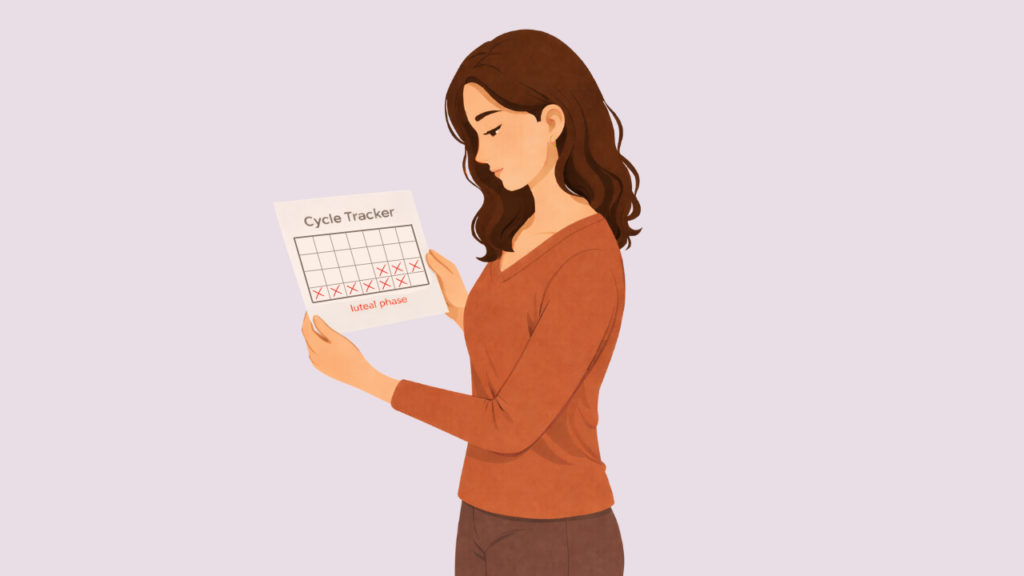
Tracking ovulation and the length of your luteal phase provides valuable insight into how your body is responding.
If you want support understanding your fertile signs and post-ovulation patterns, grab your free copy of The Fertility Godmother’s Guide to Decoding Your Cycle for simple tools to help you make sense of your cycle without overwhelm.
How AIM Women’s Wellness Center Supports Luteal Phase Health
At AIM Women’s Wellness Center, we take a whole-body approach to fertility care. Strengthening the luteal phase often requires addressing more than progesterone alone.
Supportive therapies may include:
- Acupuncture and Cupping Therapy to improve circulation, regulate hormones, and calm the nervous system
- Fertility, Life, and Health Coaching for personalized nutrition, supplement guidance, and lifestyle support
- Neuro Encoding and NLP to reduce stress patterns that interfere with hormonal balance
- AWAKENEDmind Brain Tapping to support nervous system regulation and sleep
- Nutritional Blood Analysis to identify deficiencies or inflammation affecting progesterone production
- Chinese Medicinal Herbs customized to support luteal phase stability and uterine health
- Emotional Freedom Technique (EFT) and Mindfulness Practices to support emotional regulation during the post-ovulation phase
This integrative approach allows the body to move out of protection and into a state that supports implantation.
Strengthening the Luteal Phase Is About Support, Not Perfection
A short luteal phase does not mean you cannot get pregnant. It means your body is asking for support during a very specific window of your cycle.
When progesterone, blood flow, nourishment, and nervous system regulation are addressed together, the body often responds beautifully.
Your Next Step
If you suspect your luteal phase may be affecting your ability to conceive, you don’t have to figure this out alone.
You deserve care that looks at your whole cycle, your stress levels, and your unique physiology.
Click here to qualify for a free connection call with The Fertility Godmother. Together, we can identify what your body needs to support implantation and create a plan that feels clear, supportive, and aligned.
Your body is capable. Sometimes it just needs the right kind of support at the right time.