Short Menstrual Cycle Fertility: How Cycle Length Affects Conception
When you’re trying to get pregnant, your menstrual cycle can feel like it holds all the answers. Most women know a “normal” cycle is about 28 days, but what happens if yours is shorter or longer?
Cycle length is one of your body’s most important fertility signals. Both short menstrual cycle fertility challenges and long menstrual cycle fertility concerns can reveal hormone imbalances that affect ovulation, implantation, and your chances of pregnancy.
The good news is that understanding your cycle length gives you valuable clues… and once you know what your body is telling you, there are ways to restore balance and improve your fertility naturally.
What a Healthy Menstrual Cycle Looks Like
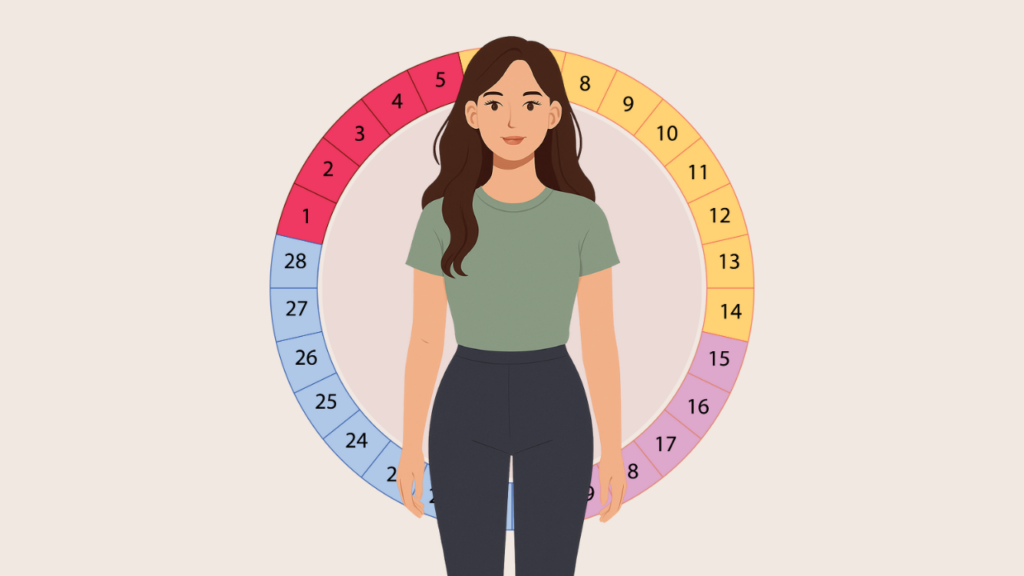
A typical menstrual cycle lasts between 26 and 32 days. Within that window, ovulation usually happens around the midpoint, followed by a luteal phase that supports implantation. Regularity and balance in this rhythm are signs of healthy hormone function.
Cycles that consistently fall outside this range—either too short or too long—may make it harder to conceive. That does not mean pregnancy is impossible. It simply means your body may need support to regulate hormones, improve ovulation, and create the right environment for conception.
Short Menstrual Cycle Fertility Concerns
A cycle shorter than 26 days can raise fertility challenges. The biggest concern is often a shortened luteal phase, which reduces the amount of time the uterine lining has to prepare for implantation.
Other potential issues with short cycles include:
- Low progesterone: not enough hormone support to maintain a pregnancy
- High FSH levels: which may affect egg quality and ovarian reserve
- Hormonal imbalances: stress, thyroid disorders, or perimenopause can all shorten cycles
If you notice spotting before your period begins, frequent cycles, or very light flow, these may be signs that your hormones need support.
Long Menstrual Cycle Fertility Concerns
Cycles longer than 32–35 days can also interfere with fertility. The main issue is often delayed or irregular ovulation, which makes timing conception much more difficult.
Causes of long cycles may include:
- Polycystic Ovary Syndrome (PCOS): one of the most common reasons for infrequent ovulation
- Estrogen or progesterone imbalance: leading to missed or unpredictable ovulation
- Stress and inflammation: both of which can disrupt the normal hormonal rhythm
Women with long cycles may ovulate less frequently throughout the year, reducing their overall chances of conception.
Decode Your Cycle for Clarity
If you’ve been wondering why your cycle length doesn’t feel “normal,” tracking your patterns is the first step to getting answers. Our guide to Decoding Your Cycle shows you how to interpret the signs your body is giving you so you can better understand your fertility health.
Download your copy of our free guide to Decoding Your Cycle here.
How to Track Ovulation with Short or Long Cycles
When your cycle length is unpredictable, tracking ovulation becomes even more important. Basal Body Temperature (BBT) charting, cervical mucus observation, and ovulation predictor kits can all help you see if and when ovulation is happening.
For short menstrual cycle fertility concerns, charting can reveal whether your luteal phase is long enough to support implantation. For long menstrual cycle fertility issues, tracking helps you identify late ovulation so you can time conception more accurately.
When to Seek Support
If your cycles are consistently shorter than 26 days or longer than 35 days, or if you are struggling to track ovulation, it’s a good idea to seek professional support. Understanding short menstrual cycle fertility issues and long cycle patterns can help you uncover hidden hormonal imbalances and give you clear next steps.
How We Can Help With Short or Long Cycles
At AIM Women’s Wellness Center, we specialize in helping women regulate their cycles naturally. Whether you are facing short menstrual cycle fertility challenges or long menstrual cycle fertility concerns, our therapies work to balance hormones, improve ovulation, and support conception.
- Fertility, Life, and Health Coaching to uncover root causes and guide lifestyle shifts
- Acupuncture & Cupping Therapy to regulate hormones, reduce stress, and improve blood flow
- Chinese Medicinal Herbs to nourish the reproductive system and support cycle balance
- Neuro Encoding & NLP to release emotional patterns that disrupt cycles
- AWAKENEDmind Brain Tapping to reset the nervous system and promote hormone health
- Nutritional Blood Analysis to identify nutrient gaps impacting ovulation and cycle regularity
- Emotional Freedom Technique (EFT) to calm the stress response that affects hormonal balance
- Mindfulness and Meditation Practices to create the safety your body needs to conceive
Your Next Step Toward Clarity and Confidence
You don’t have to figure this out alone. If you’ve been struggling with short or long cycles and wondering how it impacts your fertility, support is available.
Let’s uncover what’s really going on with your cycle and create a personalized pregnancy game plan just for you.
Click here to qualify for your free Connection Call with The Fertility Godmother.
Every cycle tells a story. With clarity, balance, and the right support, yours can lead you closer to the pregnancy you’ve been hoping for.