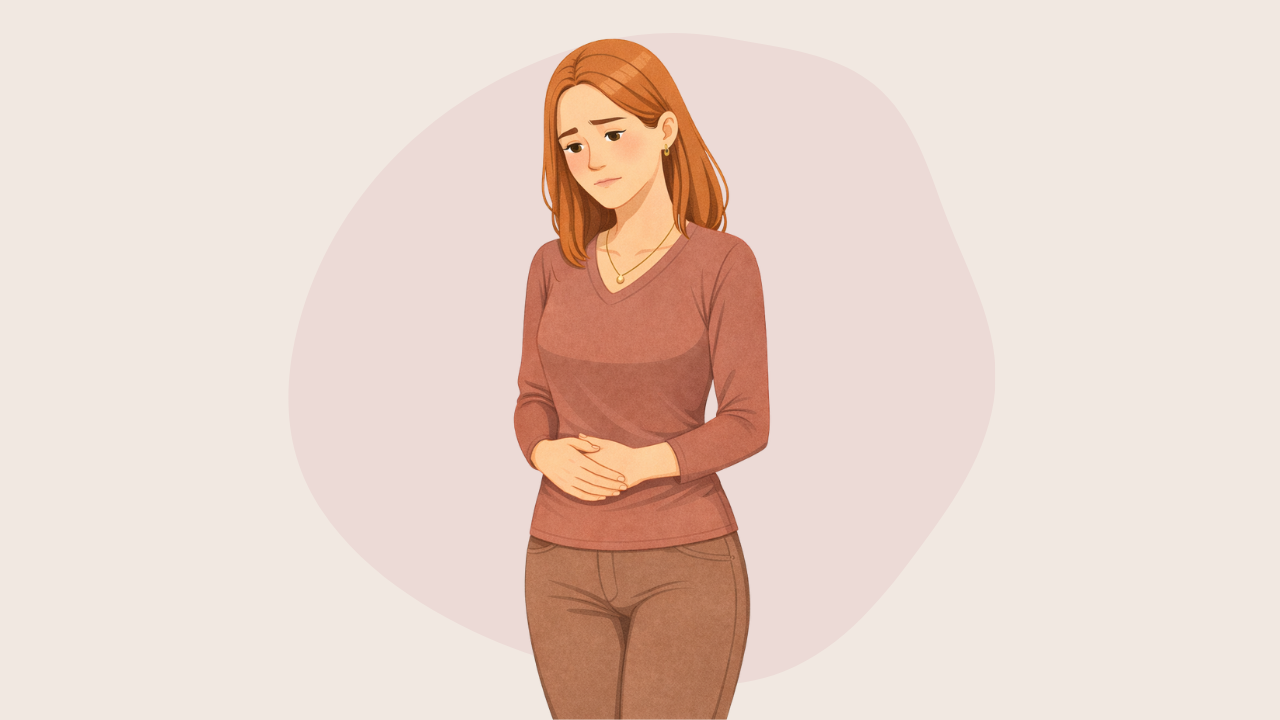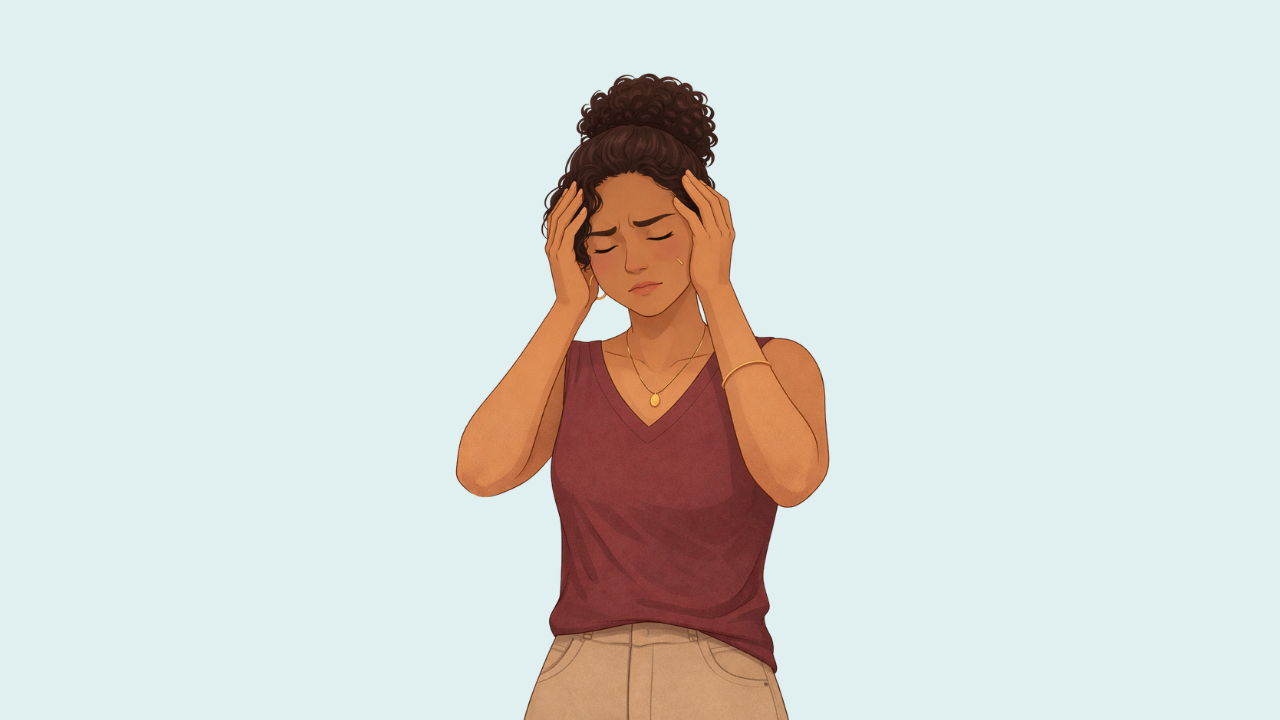
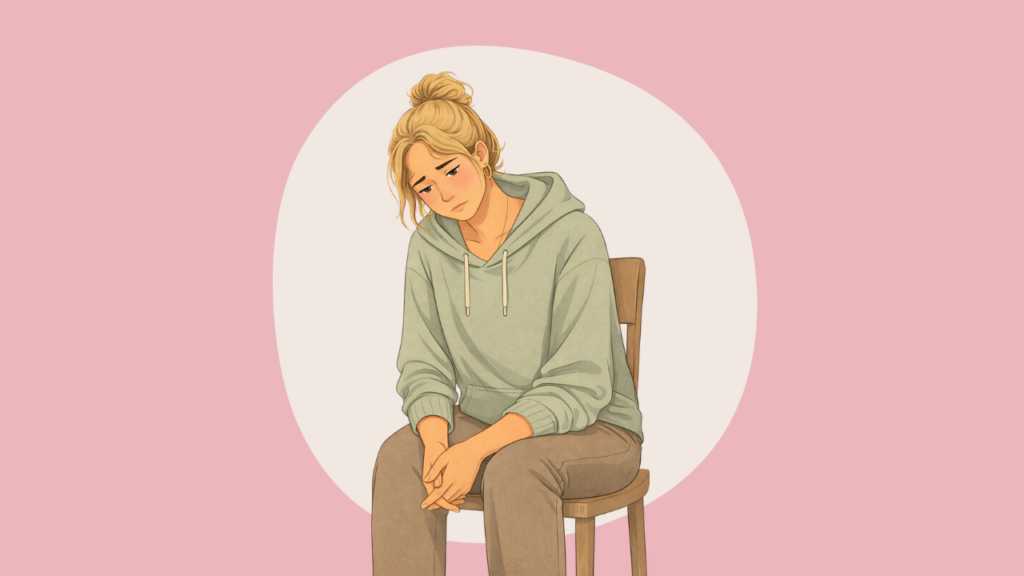
Understanding Fertility Burnout and How It Impacts Your Hormones
You started this journey hopeful.
You were tracking, learning, adjusting your diet, taking supplements, staying positive.
Then the months passed.
And somewhere along the way, hope quietly turned into pressure.
This is where fertility burnout begins.
Fertility burnout is the emotional and physiological exhaustion that happens when trying to conceive becomes all-consuming.
It’s not weakness.
It’s not a lack of resilience.
It’s what happens when the body and nervous system stay in prolonged stress mode.
And it can directly impact your hormones.
What Is Fertility Burnout?
Fertility burnout is not just feeling tired of trying.
It often looks like:
- Obsessively tracking every symptom
- Constantly researching new protocols
- Comparing yourself to other women
- Feeling resentment around pregnancy announcements
- Losing interest in intimacy unless it is “go time”
- Feeling anxious before every cycle
It’s when conception stops feeling like possibility and starts feeling like performance.
And performance pressure changes your physiology.
How Fertility Burnout Affects the Body
When emotional stress becomes chronic, the nervous system shifts into survival mode.
Cortisol rises.
Inflammation increases.
Sleep becomes disrupted.
Progesterone signaling weakens.
Ovulation can become less consistent.
Fertility burnout and hormone imbalance often happen together because the body does not distinguish between emotional stress and physical danger.
When stress remains high, the body prioritizes protection over reproduction.
This is not something you can override with willpower.
The Overdrive Pattern
If something isn’t working, your instinct might be to double down.
You track more closely.
You research more thoroughly.
You tighten the routine.
You try to optimize everything.
It makes sense.
That approach probably works in other areas of your life.
But fertility is not a problem that responds well to pressure.
The more the body feels monitored, controlled, or evaluated, the more the nervous system stays activated.
And when the nervous system stays activated, reproduction becomes secondary.
Fertility burnout often develops quietly in women who appear composed on the outside, but are carrying constant internal pressure.
Signs You May Be Experiencing Fertility Burnout
- You feel dread when your period arrives
- You feel numb rather than hopeful
- You avoid social events to escape pregnancy conversations
- You feel disconnected from your partner
- You’re physically exhausted but mentally wired
- You feel like your identity has narrowed to “trying to conceive”
This level of chronic stress can disrupt ovulation quality and luteal phase strength.
Not because your body is broken, but because it is overloaded.
Why Slowing Down Is Not Giving Up
Many women fear that easing up means they are not trying hard enough.
But supporting fertility is not about intensity. It is about regulation.
When the nervous system calms:
- Cortisol decreases
- Inflammation lowers
- Progesterone stabilizes
- Blood flow improves
- Hormone communication strengthens
This is when the body becomes more receptive.
Fertility burnout is not solved by ignoring your goal. It is solved by supporting your physiology while you pursue it.
A Whole-Body Approach to Recovering from Fertility Burnout
At AIM Women’s Wellness Center, we address both the emotional and biological components of fertility burnout.
Nervous System Regulation
We use:
- Neuro Encoding and NLP
- Emotional Freedom Technique
- Meditation and breathwork
- AWAKENEDmind Brain Tapping therapy
This helps shift the body from chronic stress into repair and reproduction mode.
Acupuncture
Acupuncture regulates the stress response while improving blood flow to the ovaries and uterus.
It supports:
- Ovulation quality
- Luteal phase strength
- Hormone balance
- Implantation support
Coaching Support
Fertility coaching helps women:
- Break hyper-control patterns
- Reduce performance pressure
- Reconnect with their partner
- Expand identity beyond fertility
- Build emotional resilience
This is not about abandoning structure. It is about creating support without overload.
Fertility Burnout Is Reversible
The nervous system is adaptable.
When stress decreases and emotional load lightens, hormone balance often improves.
You don’t need to try harder.
You may need to try differently.
Ready to Reset Your Nervous System?
If fertility burnout is affecting your emotional well-being and your hormone balance, we can help you create a sustainable path forward.
Your fertility journey should not cost you your peace.