Understanding Endometrial Thickness for Fertility and Implantation Success
When you’re trying to conceive, ovulation often takes center stage. But for implantation to succeed, your uterine lining needs to be ready to receive and nurture a fertilized egg. This is where endometrial thickness for fertility becomes so important.
The endometrium isn’t just the “place” where implantation happens.
It’s an active, hormone-sensitive tissue that changes with every cycle. By understanding what affects endometrial thickness and how to support it, you can create the best possible foundation for conception.
What Is Endometrial Thickness?
The endometrium is the inner lining of your uterus. Throughout your cycle, it thickens and sheds in response to hormonal shifts. After ovulation, rising estrogen and progesterone prepare the lining to welcome a fertilized egg.
Doctors often measure endometrial thickness with ultrasound. While everyone is unique, research shows that a lining of around 8–12 millimeters is considered ideal for implantation. A lining that’s too thin may make implantation difficult, while one that’s overly thick may also reduce receptivity.
How Endometrial Thickness Affects Fertility
The relationship between endometrial thickness and fertility is about more than numbers. It’s about creating the right environment.
Here’s how it impacts your chances of pregnancy:
- Implantation success: A receptive lining allows the embryo to attach securely and receive proper nourishment.
- Hormonal balance: Estrogen builds the lining, while progesterone stabilizes it. Disruptions in either hormone can interfere with thickness.
- Blood flow: Healthy circulation delivers oxygen and nutrients, improving uterine receptivity.
- Cycle health: Conditions such as PCOS, endometriosis, or uterine scarring can alter the endometrium, making conception more challenging.
Causes of a Thin Uterine Lining
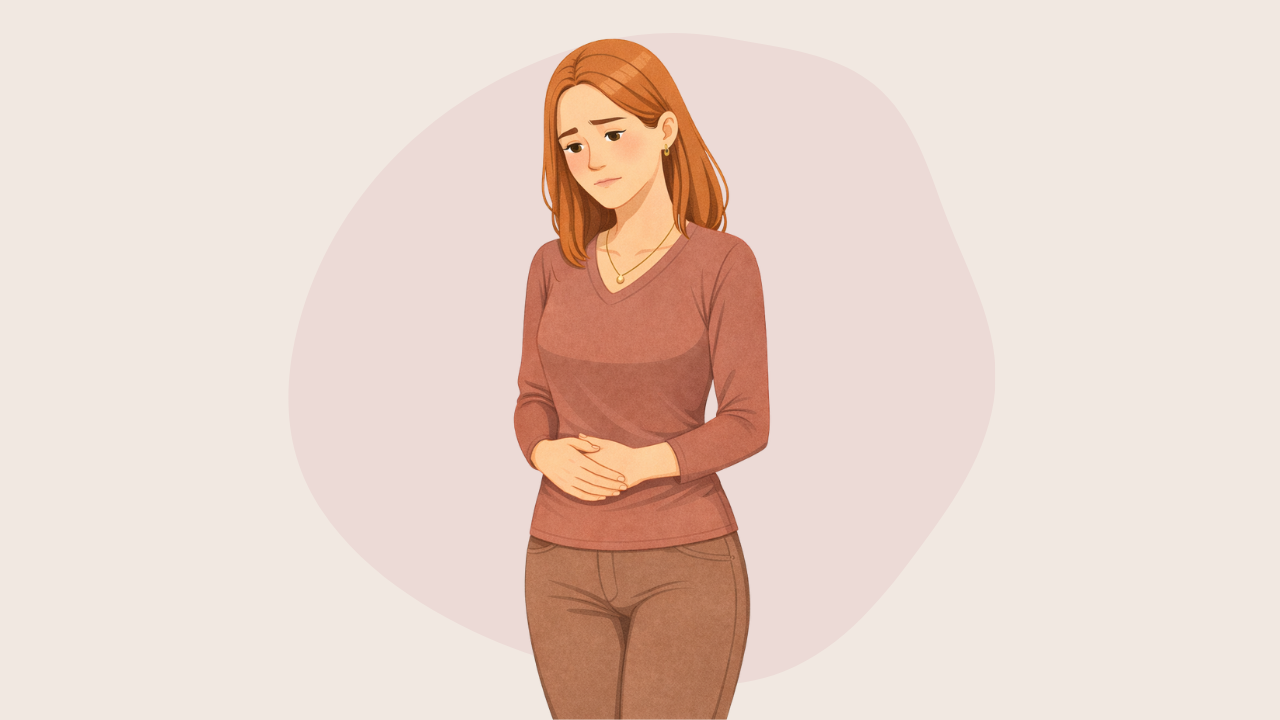
Some women find that their endometrium is consistently thinner than expected.
Possible reasons include:
- Low estrogen levels
- Uterine scarring (Asherman’s syndrome)
- Long-term use of certain fertility medications
- Poor uterine blood flow
- Chronic inflammation or pelvic infections
Supporting Endometrial Thickness for Fertility Naturally
The good news is there are many ways to improve endometrial thickness for fertility and give your body the best chance for implantation success. Here are a few strategies:
- Nourishing foods: Eat plenty of leafy greens, colorful vegetables, healthy fats, and high-quality protein to provide the building blocks for hormone production and tissue health.
- Stay hydrated: Adequate water intake supports blood flow and endometrial health.
- Supplements: Nutrients like vitamin E, L-arginine, and omega-3 fatty acids may improve circulation and lining quality.
- Gentle movement: Walking, yoga, and other low-impact exercise can enhance blood flow to the uterus.
- Reduce stress: Chronic stress affects hormone balance and circulation.
- Acupuncture and herbs: At AIM, we’ve seen acupuncture increase uterine blood flow and Chinese herbs balance estrogen and progesterone—two key factors in endometrial development.
Want to better understand how your cycle supports conception?
Click here to grab your copy of the Decoding Your Cycle Guide. This free resource will help you spot cycle patterns, track key fertility signs, and support every phase naturally.
When to Seek Extra Support
If you’ve been told your lining is too thin, or if you’ve experienced failed implantation during IVF, don’t lose hope. Many women improve their endometrial thickness—and their fertility outcomes—through a combination of medical evaluation and holistic care.
By looking at endometrial thickness for fertility together with hormones, circulation, and lifestyle, it’s often possible to make meaningful improvements within just a few months.
How We Can Help
At AIM Women’s Wellness Center, we take a whole-person approach to fertility. Each of our therapies is designed to support endometrial thickness for fertility by improving circulation, balancing hormones, and reducing stress:
- Fertility, Life, and Health Coaching: We’ll guide you through personalized lifestyle and nutrition strategies that promote hormonal balance, support uterine health, and reduce inflammation—giving you clear steps to improve implantation success.
- Acupuncture: Acupuncture increases blood flow to the uterus, regulates hormones, and calms the nervous system to encourage a healthy lining.
- Chinese Medicinal Herbs: Customized formulas help regulate estrogen and progesterone, reduce inflammation, and naturally strengthen the uterine lining, especially for women with recurring thin lining.
- Neuro Encoding & NLP: These techniques reframe unhelpful thought patterns, reduce stress, and support nervous system regulation—helping hormones stay balanced so the endometrium can thrive.
- AWAKENEDmind Brain Tapping: This innovative tool uses light and sound frequencies to lower stress hormones and improve sleep, both of which support healthier uterine receptivity.
- Nutritional Blood Analysis: By identifying nutrient deficiencies that affect hormones and circulation, we can recommend targeted nutrition and supplements that directly improve endometrial thickness.
- Emotional Freedom Technique (EFT): Also known as tapping, EFT reduces cortisol and supports emotional balance, creating a calmer internal environment where the uterine lining can develop properly.
- Meditation & Mindfulness Practices: These daily practices lower anxiety, improve rest, and help restore hormonal and emotional balance—conditions that directly support a receptive uterine lining.
Take the Next Step Toward a Healthy Uterine Lining
The connection between endometrial thickness for fertility and implantation is too important to ignore. By supporting your uterine lining through nutrition, lifestyle, and holistic therapies, you can create the right conditions for pregnancy success.
Are you ready to strengthen your body and give implantation the best possible chance? Click here to qualify for your FREE Connection Call with The Fertility Godmother.
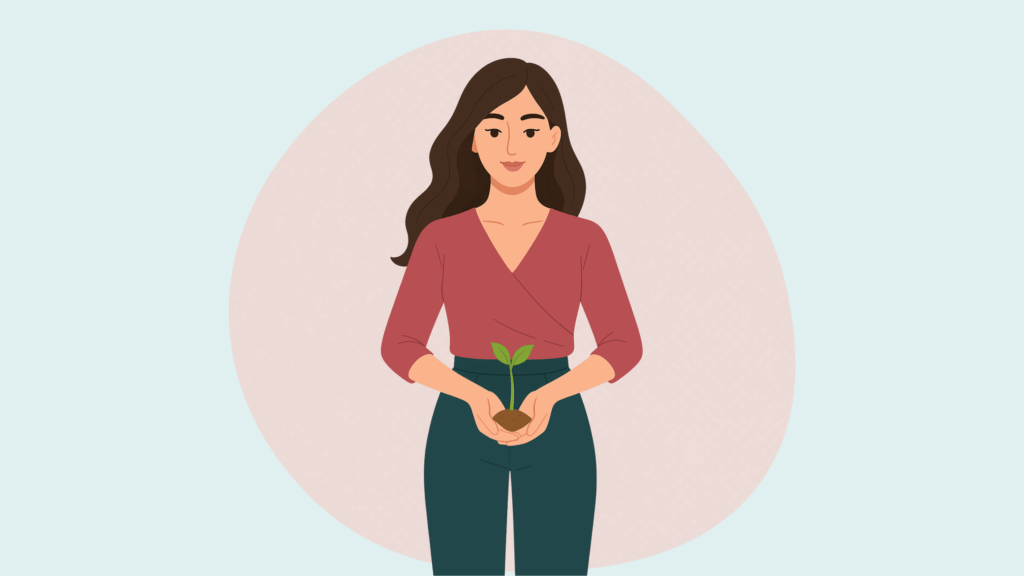
With the right support, your uterine lining can become the safe, welcoming home your future baby deserves.